


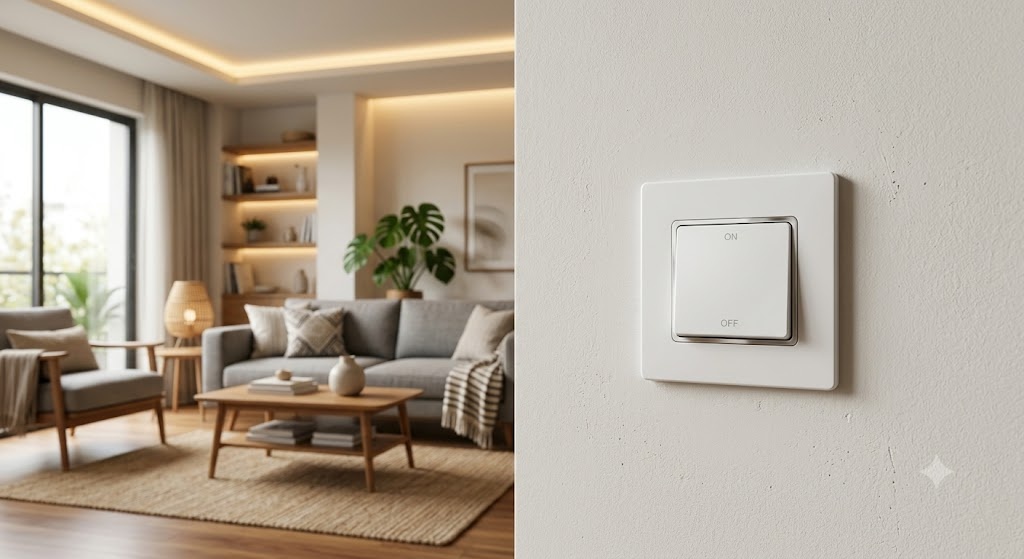
Let's be honest, most of us don't think twice about the electric switch on our wall until it stops working. You flick it, the light comes on, and that's the end of the story. But there's actually a fair bit going on behind that little plastic panel, and understanding it can save you money, hassle, and even the odd electric shock.
I remember the first time I had to replace a switch in my own flat. I stood there staring at a mess of wires, wondering how something so small could feel so intimidating. Turns out, once you know the basics, an electric switch isn't nearly as mysterious as it looks.
What Exactly Is an Electric Switch?
At its core, an electric switch is a simple device that opens or closes a circuit. When it's closed, electricity flows and your appliance or light turns on. When it's open, the flow stops. Simple in theory, but the details matter more than you'd think.
You've probably noticed that not all switches feel the same. Some click firmly, others feel a bit loose or wobbly after a few years. That's usually down to the quality of the internal components, not just wear and tear.
Types of Electric Switches You'll Come Across
There isn't just one kind of switch sitting behind your walls. Here are the main types you'll encounter in most homes and offices.
Toggle Switches
These are the classic ones, the kind your grandparents probably had. They're reliable, cheap, and do exactly what they say on the tin.
Rocker Switches
Modern homes tend to favour rocker switches because they look sleeker and are easier to operate, even in the dark. You press one side to turn something on and the other to turn it off.
Dimmer Switches
If you like a bit of control over your lighting mood, dimmer switches let you adjust brightness rather than just flipping between on and off. They're pretty handy in bedrooms and living rooms.
Smart Switches
To be fair, these have become quite popular lately. You can control them from your phone, set timers, or even pair them with voice assistants. They're not for everyone, but if you love a bit of convenience, they're worth considering.
Why Quality Actually Matters
Here's the thing, not all switches are created equal, and cutting corners on this particular fitting isn't a great idea. A poorly made switch can overheat, spark, or fail entirely within a year or two. Believe it or not, some of the cheapest options on the market are cheap for a reason.
When you're shopping around, it helps to compare not just the look of a switch but its build quality, the materials used, and the brand's reputation. Prices vary a fair bit depending on where you shop and what features you're after, so it's worth checking a reliable Electric Switch Price in Bangladesh listing before you commit to anything.
Signs Your Electric Switch Needs Attention
You know what I mean when a switch starts feeling off. Maybe it's a bit stiff, maybe it sparks slightly, or maybe the light flickers when you touch it. These aren't things to ignore.
A few warning signs worth paying attention to:
- The switch feels warm or even hot to touch
- You hear a faint buzzing or crackling sound
- The plate feels loose or wobbly on the wall
- Lights flicker even when the switch isn't being touched
- There's a burning smell near the switch plate
If you notice any of these, it's genuinely worth calling an electrician rather than waiting it out. Electrical faults have a nasty habit of getting worse, not better, on their own.
Installing an Electric Switch: What Actually Happens
Now, I'm not going to pretend this is a job for absolute beginners, because it isn't. Working with live wiring carries real risk, and getting it wrong can be dangerous. That said, understanding the process helps you have better conversations with your electrician and know what to expect.
First, the power to the circuit gets switched off at the consumer unit. Then the old switch plate is removed, exposing the wiring behind it. The wires get checked, matched to the new switch's terminals, and secured properly. Finally, the plate goes back on, and the power gets tested.
The truth is, a lot can go wrong if wires are mismatched or loose connections aren't tightened properly. This is exactly why DIY switch installation, while tempting, isn't always the smartest shortcut.
Choosing the Right Electric Switch for Your Home
Picking a switch isn't just about function, it's also about how it fits your space. A sleek rocker switch might suit a modern flat, while a traditional toggle might feel more at home in an older property.
Think about the room too. Bathrooms and kitchens need switches rated for damp or humid conditions, while bedrooms might benefit from a dimmer for that softer evening glow. It's kind of surprising how much thought actually goes into something so small.
Budget plays a role as well, obviously. Prices can range quite a bit depending on the brand, materials, and additional features like smart connectivity. Comparing a few options before buying tends to save both money and regret later on.
Maintaining Your Electric Switch Over Time
Maintenance isn't glamorous, but it matters. Dust and grime build up over time, and occasionally wiping down the switch plate with a dry cloth keeps things looking fresh and functioning properly.
Avoid using wet cloths or cleaning sprays directly on switches, since moisture and electricity really don't mix well. If a switch ever feels unusually stiff or makes odd noises, that's your cue to get it checked rather than pushing through and hoping it sorts itself out.
Ready to Upgrade Your Electric Switch?
At the end of the day, an electric switch is one of those small things that makes a big difference once it stops working properly. Whether you're renovating, building new, or just replacing a tired old fitting, taking the time to choose wisely pays off.
Ready to explore more about electric switches and find one that actually suits your home? Let's begin your journey.
Frequently Asked Questions
How long does an electric switch usually last?
Most decent quality switches last anywhere between ten and fifteen years with normal use. That said, cheaper ones or switches in high-traffic areas tend to wear out faster, sometimes within just a few years.
Can I replace an electric switch myself?
Technically yes, if you're comfortable working with electrics and you switch off the power first. But honestly, if you're not confident, it's worth hiring a qualified electrician rather than risking a mistake.
Why does my electric switch feel warm?
A warm switch usually points to a loose connection or an overloaded circuit. It's not something to ignore, so it's best to get it looked at fairly soon rather than waiting.
Are dimmer switches compatible with all light bulbs?
Not quite. Dimmer switches generally need dimmable bulbs to work properly. Using a regular bulb with a dimmer can cause flickering or even damage the bulb over time.
Do smart switches need a special kind of wiring?
Most smart switches work with standard wiring, though some require a neutral wire that older homes might not have. It's worth checking compatibility before buying one.
How do I know if my switch needs replacing versus just cleaning?
If cleaning doesn't fix the stiffness, flickering, or noise, replacement is usually the better route. Persistent issues after a clean often mean something inside has actually worn out.
Comments (0)