


Dental implants are much more than a cosmetic solution for missing teeth. These allow a number of advantages over traditional methods in restoring chewing function, maintaining the integrity of the jaw bones, and for long-term oral health.
When you're thinking of dental implants in Turkey, one of the first things you think about is appearance, and this guide takes a more comprehensive look at the other benefits of dental implants.
Gaining this insight into implant dentistry will enable patients to see why treatment is so popular around the world. At the initial consultation, many patients think that implants are filling in for a missing tooth.
In fact, its impact extends beyond the face—it affects bone density, facial shape, digestion, and sometimes, even the clarity of speech—all of which people don't think of until treatment is applied.
This wider context is important as it influences the decision-making process. When it comes to implants, it's no longer about replacing one tooth – it's about ensuring the overall health of the jaw and surrounding tissue.
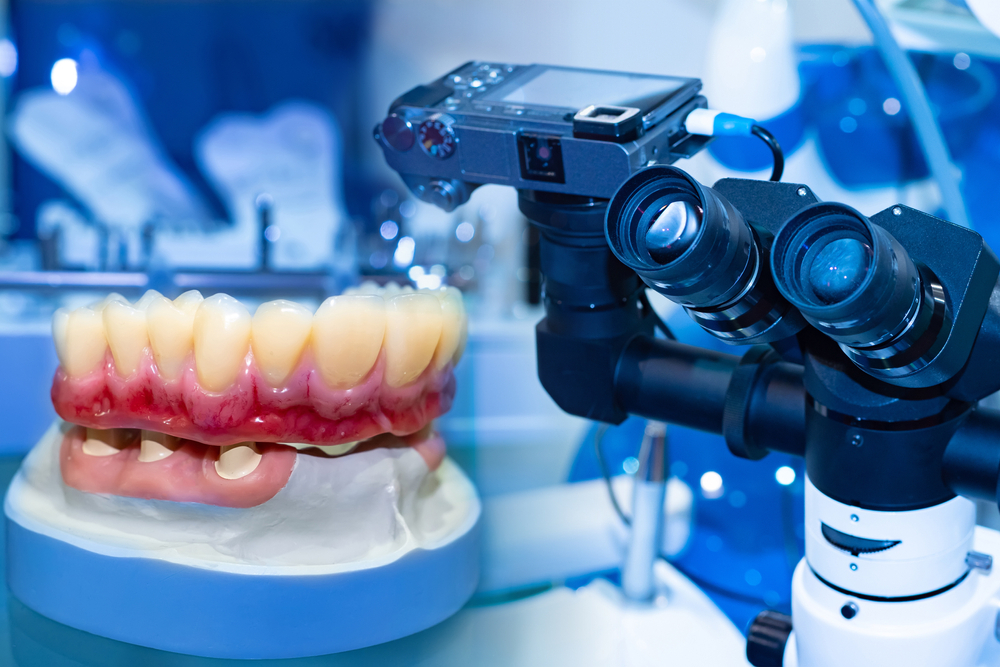
What Dental Implants Actually Do
A dental implant is a tooth replacement that includes the entire structure of the tooth, including the root. A titanium or zirconia post is permanently anchored in the bone of the jaw, which in turn supports a crown, bridge, or denture.
This is much more like the natural tooth structure than traditional bridges and removable dentures.
Core components of a dental implant system:
- The implant post, which anchors into the jawbone
- The abutment, which connects the post to the visible restoration
- The crown or prosthetic, which replicates the natural tooth
Why the Root Replacement Matters
The traditional methods of replacing a missing tooth only focus on the visible part of the tooth. The implants also take the place of the root, which is another one of the long-term health benefits throughout the article.
Preserving Jawbone Density
When one of the roots of a tooth is lost, the bone around the tooth will gradually become less dense, known as resorption.
This is where dental implants come into the picture, as they unite with bone through a process known as osseointegration.
Benefits of bone preservation through implants:
- Maintenance of natural facial structure and volume
- Prevention of shifting among neighboring teeth
- Continued stimulation of jawbone tissue
- Reduced chance of further tooth loss over time
The Long-Term Impact on Facial Appearance
Over time, bone loss around the jaw can give your face a sunken look. Implants deliver support for the bone structure, which supports patients to retain a younger, fuller facial appearance well beyond the treatment.
Restoring Full Chewing Function
Having lost teeth makes it very difficult to chew, and that can make it very easy for patients to steer away from healthy food choices.
Implants restore bite force close to natural levels, allowing patients to:
- Enjoy a wider variety of foods
- Maintain balanced nutrition
- Chew comfortably on both sides of the mouth
- Speak clearly without the movement associated with removable dentures
A Foundation for Digestive Health
Chewing is the first step in digestion. Once the patient can chew fully, digestion tends to improve significantly and be much easier.
Supporting Alignment and Bite Stability
All teeth contribute to alignment in the mouth. When a tooth is lost, the remaining teeth slowly drift into the space and opposite teeth can overerupt. Once the difference is filled with implants, it will be unable to move, which in turn supports to maintain the stability of the dental arch around it.
Alignment benefits include:
- Maintained spacing across the dental arch
- Reduced strain on remaining natural teeth
- Lower chance of bite misalignment over time
- Decreased likelihood of jaw joint discomfort
Protecting Gum and Oral Tissue Health
Spaces left by missing teeth create spaces where food particles and bacteria accumulate easily. Implants close these spaces and restore a smoother, more manageable oral environment.
Reduced Chance of Gum Disease
A fully restored dental arch supports easier brushing and flossing, which directly reduces the chance of gum inflammation and periodontal disease around neighboring teeth.
Implant Materials and Modern Innovations
Modern dental clinics in Turkey use biocompatible materials engineered for long-term success within the human body.
Common materials used today:
- Titanium, valued for strength and proven biocompatibility
- Zirconia, favored for its tooth-colored appearance and metal-free composition
- Advanced ceramic crowns that replicate natural tooth translucency
Both material science and surgical techniques are continually advancing, and both play a direct role in the reliability patients experience today.
Specialists no longer need to choose a standard material for each situation, and instead can choose the material that best suits individual bone quality, aesthetic considerations, and durability needs.
Innovations Improving Precision
Digital planning tools now allow specialists to map implant placement with remarkable accuracy.
Technologies enhancing modern implant treatment:
- 3D CBCT imaging for precise bone assessment
- Guided surgery templates for accurate placement
- Digital smile design software for aesthetic planning
- CAD/CAM systems for custom-fitted restorations

How Osseointegration Actually Works
Osseointegration takes place over time and involves living bone cells that form themselves into the surface of the implant.
This biological connection takes several months to complete, and the final strength of this bond ends up deciding the success of the implant for chewing every day for decades.
Specialists monitor this healing process closely through follow-up imaging, ensuring that integration proceeds as expected before moving forward with the final restoration.
The Implant Treatment Journey
Understanding each stage supports patients approach treatment with clarity and confidence.
Stage One: Comprehensive Assessment
The specialist evaluates bone density, gum health, and overall oral condition through imaging and examination.
Stage Two: Implant Placement
The titanium or zirconia post integrates into the jawbone during a precise surgical procedure performed under local anesthesia.
Stage Three: Healing and Osseointegration
The bone fuses gradually with the implant surface over a period typically ranging from three to six months.
Stage Four: Restoration Placement
The final crown, bridge, or denture attaches to the healed implant, completing the restoration.
Patient Checklist Before Implant Treatment
- Share complete medical and dental history with the specialist
- Confirm bone density through diagnostic imaging
- Discuss any existing conditions that may affect healing
- Clarify the number of implants required for the treatment plan
- Review material options and associated costs
- Ask about warranty coverage for implant components
Recovery Guidance
Recovery unfolds in stages, and following clinical guidance closely supports the best possible healing outcome.
- Apply cold compresses during the first 48 hours to manage swelling
- Maintain a soft-food diet during the initial healing period
- Avoid smoking, since it can interfere with osseointegration
- Take prescribed medication exactly as directed
- Attend every scheduled follow-up appointment
Maintenance Tips
- Brush and floss around implants with the same care given to natural teeth
- Use an antimicrobial mouth rinse when recommended
- Schedule professional cleanings at least twice yearly
- Avoid biting extremely hard foods that may strain the restoration
- Monitor for any looseness or discomfort and report it promptly
Common Mishaps to Avoid
- Delaying treatment for extended periods after tooth harm
- Skipping bone density evaluation before placement
- Ignoring aftercare instructions during the healing phase
- Choosing a supplier based solely on lowest cost
- Neglecting regular dental check-ups after full recovery
Key Takeaways
- Dental implants replace the full tooth structure, including the root
- Bone preservation represents one of the most significant long-term benefits
- Chewing function, alignment, and gum health all improve through implant treatment
- Modern materials and digital technology enhance precision and outcomes
- Careful aftercare protects the long-term success of every implant
Conclusion
Beyond their cosmetic appeal, dental implants support maintain the health of the jawbone, their ability to chew food, and oral stability over a considerable period of time.
This wider perspective can instill confidence in patients when it comes to treatment, as they see implants as an investment in their oral health rather than a cosmetic choice.
As implant technology continues to advance, the precision and predictability of the results continue to get better as well.
When patients do their homework before undergoing treatment, they feel more equipped for the entire process, from consultation through their final restoration appointment.
Read our latest guide and get to know why Antalya has become one of the popular dental tourism destinations for UK patients.
Frequently Asked Questions
1. How long do dental implants typically last?
When properly cared for, implants can last for many years, and many patients continue to benefit from them for their lifetime.
2. Does the implant procedure involve significant discomfort?
Local anesthesia controls discomfort when placed, and discomfort is usually mild during the few days after being placed.
3. How does bone density affect implant success?
Good bone density is needed for good osseointegration; when the bone density seems to be too low, a bone graft may be recommended by the specialist.
4. Can implants replace multiple missing teeth at once?
Yes, implants may be used in conjunction with individual crowns, bridges, or a full-arch restoration that replaces all the teeth in the upper and/or lower jaw.
5. What makes zirconia implants different from titanium implants?
Titanium is also popular due to its long clinical history and durability, and zirconia is used for its metal-free, tooth-colored nature.
Comments (0)