


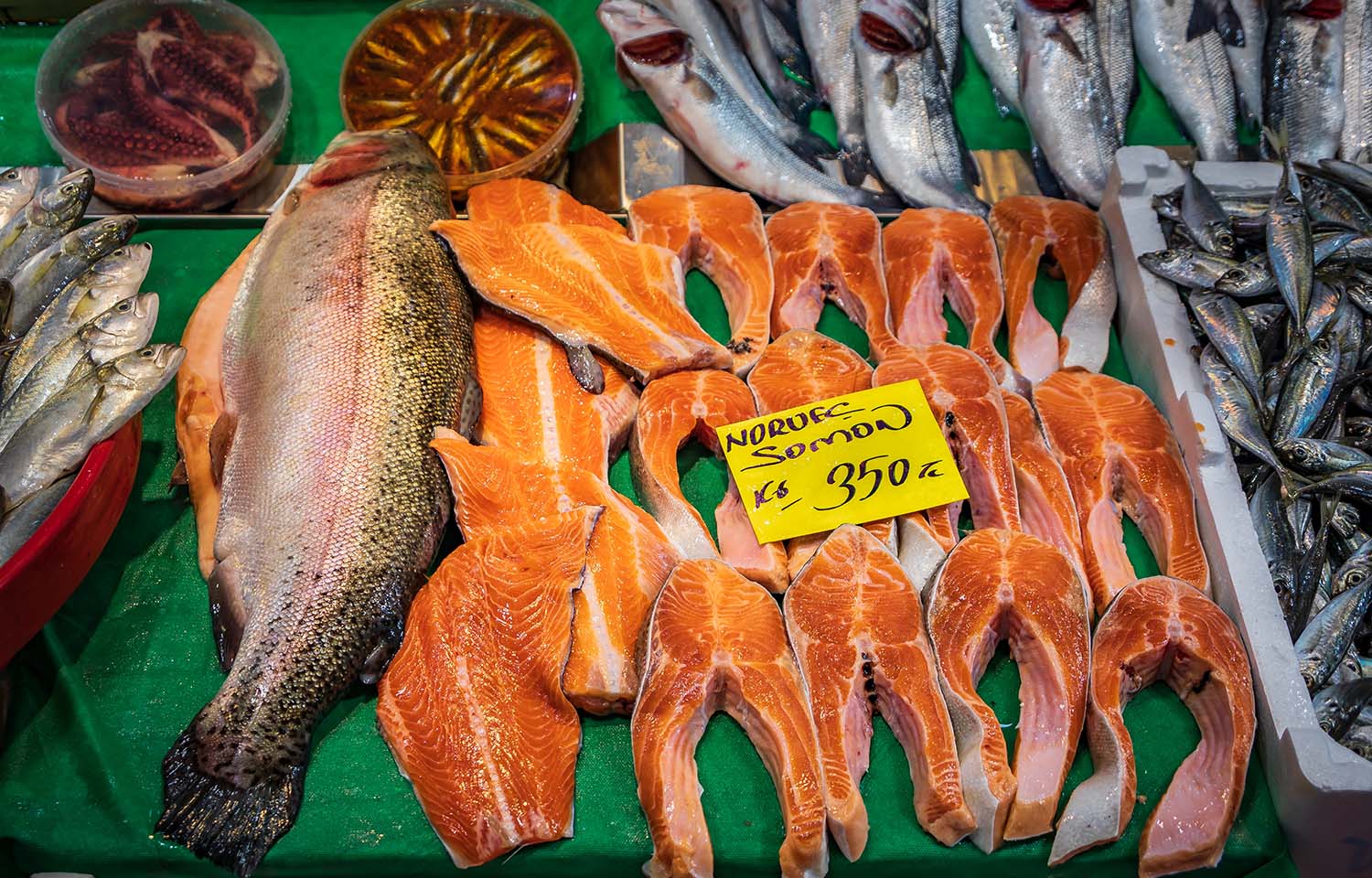
The international market for premium marine proteins has witnessed remarkable growth as culinary businesses and retail distributors seek unparalleled product consistency. Sourcing from the cold, nutrient-rich environments of the northern hemisphere yields some of the finest food products available globally. Partnering with elite Norwegian seafood exporters provides commercial enterprises with a reliable channel for securing high-grade, wild-caught, and masterfully processed inventory. Understanding how advanced cold-chain mechanics and specialized distribution frameworks operate allows procurement managers to elevate their brand offerings and confidently satisfy a highly discerning consumer base.
The Technological Architecture of Modern Seafood Preservation
Transforming a freshly caught maritime harvest into an export-ready global commodity requires meticulous control and cutting-edge preservation infrastructure. The primary goal is to suspend the natural deterioration process completely, ensuring the product arrives in pristine condition.
The Mechanics of Cryogenic Flash-Freezing
To capture the exact texture and natural sweetness of deep-sea species, processing facilities implement high-velocity flash-freezing technology. By lowering temperatures to extreme sub-zero thresholds within a matter of minutes, the water inside the muscle fibers freezes into micro-crystals. This prevents the tearing of cell walls that typically occurs during slow, standard freezing methods. Consequently, when the product is thawed by a culinary professional, it retains its structural integrity, optimal moisture levels, and genuine ocean flavor.
Continuous Cold-Chain Management
The journey across international borders involves multiple handling points, making an unbroken cold chain essential. Distributors utilize state-of-the-art refrigerated transport networks and temperature-controlled storage facilities equipped with automated tracking systems. These systems provide constant, live readouts of environmental conditions, assuring commercial buyers that their bulk orders remain protected against temperature fluctuations throughout every leg of transit.
Key Strategic Advantages of Vendor Consolidation
In high-volume commercial food management, streamlining procurement workflows directly translates to increased operational efficiency and stronger bottom-line performance.
Simplifying International Trade Logistics
Dealing with multiple individual suppliers for separate species introduces administrative complexities, including handling various health certificates, customs entries, and separate freight bills. Aligning with a comprehensive global distributor allows businesses to consolidate their purchasing. A single, diversified order can contain a curated selection of pelagic fish, demersal species, and premium shellfish, dramatically reducing customs processing times and administrative overhead.
Volume Pricing and Contract Forecasting
Establishing a programmatic supply agreement with an experienced distributor offers long-term commercial stability. Rather than reacting to daily spot-market fluctuations, forward-thinking buyers utilize historical demand data to establish annual allocations. This structural forecasting enables suppliers to reserve dedicated volumes from prime seasonal harvests, protecting the buyer from market shortages and stabilizing food cost percentages.
Elevating Commercial Menus with Luxury Shellfish and Finfish
Integrating high-value, beautifully graded marine items into an inventory strategy serves as a major driver for customer acquisition and increased average transaction values across both the hospitality and retail sectors.
The Prestige of Deep-Sea Crabs
Among the luxury items driving high profit margins, wild-caught arctic crabs stand out as the ultimate culinary centerpiece. Celebrated for their rich, succulent leg meat and impressive physical presentation, these species are highly sought after for upscale banquets, fine-dining menus, and luxury retail showcases. Because these creatures thrive in demanding, icy environments, harvesting and distributing them requires exceptional maritime expertise and highly specialized transport equipment.
Standardized Grading for Portion Control
For large-scale catering operations, cruise lines, and hospitality groups, uniform presentation is vital. Premium distributors carefully sort their harvests into strict commercial size classes. This rigorous grading guarantees that every case delivered contains items of identical weight and proportion, allowing back-of-house teams to maintain precise cooking schedules and reliable portion cost management.
Optimizing Inventory Performance and Kitchen Efficiency
The quality of the raw material directly influences the operational throughput of a commercial kitchen. Sourcing professionally handled, export-grade inventory minimizes manual preparation time and eliminates traditional operational bottlenecks.
Ready-to-Use Commercial Packaging
Top-tier processing facilities pack their products in ultra-durable, master-carton configurations designed specifically to withstand the rigors of commercial handling. Many items are individually quick frozen, allowing kitchen staff to thaw only the exact amount required for a specific service shift. This precise portion management drastically reduces back-of-house food waste and enhances overall inventory turnover rates.
Meeting the Skyrocketing Demand for Shellfish
As consumer preferences continue to lean heavily toward quick-cooking, versatile, and lean protein options, shellfish varieties have become absolute essentials for modern menus. Partnering with dedicated wholesale shrimp exporters ensures that your business receives perfectly peeled, deveined, and meticulously sorted options that streamline preparation. This steady supply of high-demand shellfish allows commercial kitchens to confidently feature popular dishes year-round, securing a strong competitive advantage in a fast-moving culinary marketplace.
Conclusion
Sustaining a highly profitable and respected brand in the modern food industry requires a steadfast commitment to sourcing excellence. By forging strategic alliances with premier international distribution networks, commercial buyers ensure that every item in their inventory meets the absolute highest benchmarks of quality and food safety. Investing in expertly managed, cold-chain-validated marine products not only safeguards daily operational continuity but also builds a resilient foundation for long-term customer trust, brand prestige, and continued financial growth.
Frequently Asked Questions (FAQ)
Why is flash-freezing preferred over traditional fresh transport for long-distance shipping?
Flash-freezing locks in the nutritional profile, flavor, and texture of seafood at the absolute peak of freshness, directly on or near the harvest vessel. Traditional fresh transport introduces strict time constraints and increases the risk of quality degradation during long-distance shipping. Flash-frozen products offer a virtually indefinite shelf life under proper storage, enabling flawless year-round inventory planning and zero seasonal gaps.
How do standardized size classifications help commercial kitchen operations?
Standardized size classifications, such as piece counts per kilogram or pound, ensure absolute uniformity in the kitchen. When items are identical in size, they cook at the exact same rate, eliminating the risk of serving undercooked or overcooked portions. Furthermore, it allows financial managers to calculate the exact cost per plate, ensuring highly accurate menu pricing and predictable profit margins.
What measures are taken to ensure the safety of seafood during maritime transport?
Seafood destined for international markets is shipped in specialized, heavy-duty refrigerated containers known as reefers. These units maintain a continuous, sub-zero internal climate and are paired with digital data loggers that monitor environmental conditions throughout the entire voyage. This technology, combined with international health certificates and strict hygiene protocols during loading, ensures the product remains completely uncompromised from port to destination.
Comments (0)