


Starting school is an important milestone in a child’s life. It involves more than just academic learning, as children also need to develop physical, emotional, and social skills to adjust to a structured environment. Some children may find this transition challenging due to delays in development or difficulties with everyday skills. In such cases, paediatric occupational therapy can play a valuable role in supporting school readiness.
This approach helps children build the foundational skills they need to participate confidently in classroom activities, follow routines, and interact with peers.
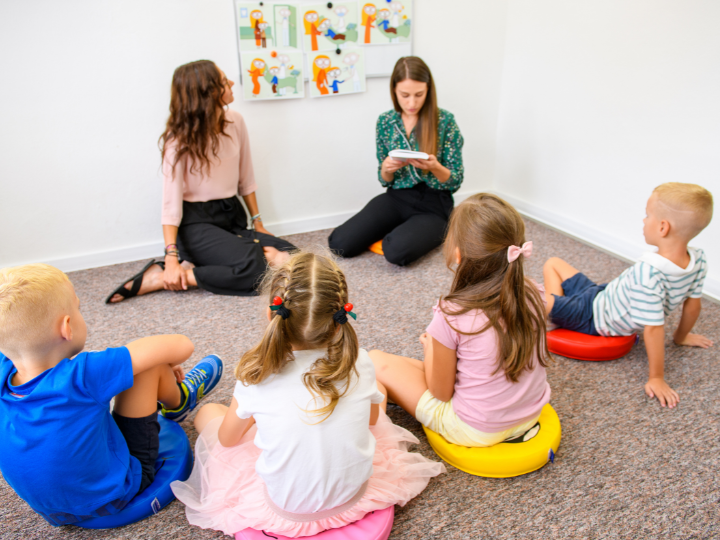
Understanding School Readiness Skills
School readiness refers to a child’s ability to adapt to the demands of a school environment. It includes a combination of physical, cognitive, social, and emotional skills that help children engage in learning and classroom routines.
Key school readiness skills include:
- Fine motor skills for writing and drawing
- Gross motor skills for movement and coordination
- Attention and focus during tasks
- Ability to follow instructions and routines
- Social interaction and communication skills
- Emotional regulation and behaviour management
Paediatric occupational therapy supports the development of these essential skills in preparation for school life.
Supporting Fine and Gross Motor Development
Motor skills are a core part of school readiness. Children need fine motor skills for holding pencils, cutting paper, and completing classroom tasks. Gross motor skills are needed for movement, balance, and participation in physical activities.
Paediatric occupational therapy helps children strengthen these abilities through structured and play-based activities. As motor skills improve, children become more confident in completing school-related tasks independently.
Improving Attention and Learning Skills
The ability to focus and follow instructions is essential for classroom learning. Some children may find it difficult to stay attentive or complete tasks in a structured environment.
Through paediatric occupational therapy, children learn strategies to improve concentration, task completion, and organisation. These skills help them participate more effectively in classroom activities and follow daily routines with greater ease.
Supporting Emotional and Social Readiness
School is not only about learning but also about interacting with others. Children need to develop social skills such as sharing, taking turns, and communicating with peers and teachers.
Emotional regulation is also important for managing frustration, anxiety, and transitions between activities. Paediatric occupational therapy supports children in understanding emotions and developing coping strategies for different situations.
These skills help children feel more confident and comfortable in group environments.
Encouraging Independence in School Routines
Independence is a key part of school readiness. Children are expected to manage personal belongings, follow routines, and complete tasks with minimal assistance.
Paediatric occupational therapy helps children practise these skills in structured and meaningful ways. As children gain independence, they become more confident in navigating the school environment.
Summary
Paediatric occupational therapy plays an important role in supporting school readiness by helping children develop motor skills, attention, emotional regulation, and social abilities. By focusing on everyday skills and structured learning, it prepares children to transition into school with confidence, independence, and a strong foundation for future learning.
FAQs
1. What is school readiness in children?
School readiness refers to the skills children need to participate in school, including motor, social, emotional, and learning abilities.
2. How does paediatric occupational therapy support school readiness?
It helps children develop essential skills such as handwriting, attention, emotional regulation, and classroom participation.
3. Can occupational therapy improve focus in the classroom?
Yes, it provides strategies to improve attention, task completion, and organisation skills.
4. Does occupational therapy help with social skills?
Yes, it supports children in learning how to interact, communicate, and cooperate with peers.
5. Why is independence important for starting school?
Independence helps children manage routines and tasks confidently without constant adult support.
Comments (0)