


Child development involves much more than physical growth. It includes learning everyday skills, building confidence, improving communication, and developing independence. Some children naturally achieve milestones at their own pace, while others may require additional support to strengthen important developmental skills. This is where a paediatric occupational therapist plays an important role.
Early support can help children improve their ability to participate in daily routines at home, school, and in social settings. Whether a child experiences challenges with movement, focus, sensory processing, or self care tasks, therapy can provide practical strategies that encourage steady progress and confidence.
How Occupational Therapy Supports Development
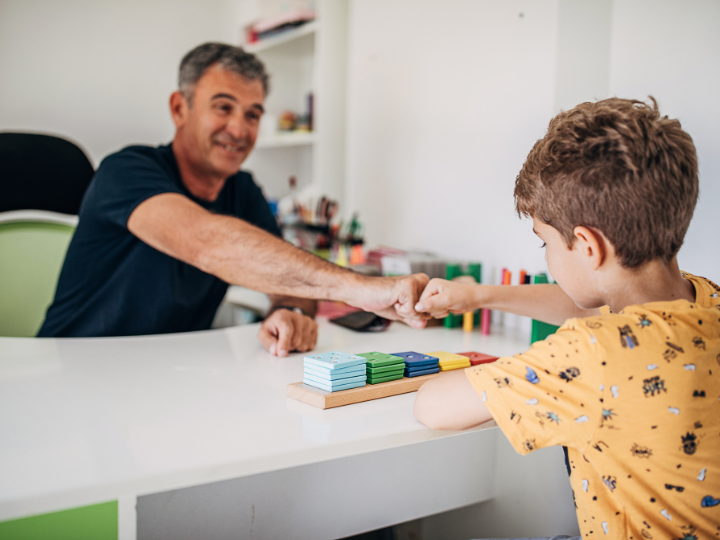
A paediatric occupational therapist helps children build skills needed for daily life. Therapy focuses on improving a child’s ability to perform activities that support learning, play, and independence. Each child receives support based on their individual needs and developmental goals.
Children may benefit from therapy if they experience delays in motor skills, emotional regulation, sensory responses, or social interaction. Therapy sessions often include engaging activities designed to improve coordination, concentration, and everyday functioning.
The goal is not only to improve specific skills but also to help children feel more comfortable and capable in different environments. When children gain confidence in everyday tasks, they are more likely to participate actively in school, family routines, and social activities.
Key Areas of Child Development Supported
Fine Motor Skill Development
Fine motor skills involve small hand movements used for writing, drawing, dressing, and using utensils. Some children struggle with these tasks, making everyday activities frustrating. Therapy can help improve hand strength, coordination, and control.
Sensory Processing Support
Children process sensory information differently. Some may feel overwhelmed by sounds, textures, or bright lights, while others may constantly seek movement or stimulation. A paediatric occupational therapist helps children better manage sensory experiences and improve emotional regulation.
Social and Emotional Growth
Therapy can support children who find it difficult to communicate, follow routines, or interact with others. Building emotional awareness and confidence can positively influence behaviour and relationships.
Daily Living Skills
Everyday activities such as brushing teeth, getting dressed, eating independently, and managing routines are essential for independence. Occupational therapy helps children develop these important life skills step by step.
Why Early Intervention Matters
The early years of development are important because children’s brains are still rapidly growing and adapting. Introducing support early can improve long term outcomes and reduce challenges later in life. Children who receive therapy early often develop stronger coping skills, greater independence, and improved participation in school and social settings.
Parents also benefit from learning practical strategies that can be used at home to support their child’s progress consistently.
Summary
A paediatric occupational therapist can play a valuable role in supporting child development across many areas of daily life. From fine motor skills and sensory regulation to emotional wellbeing and independence, early therapy can help children build the confidence and abilities they need to thrive. With the right support, children can continue developing essential life skills that positively shape their future.
FAQs
1. What does a paediatric occupational therapist help with?
They help children improve daily skills such as coordination, sensory processing, self care, learning, and social interaction.
2. When should parents consider occupational therapy?
Parents may consider therapy if their child struggles with developmental milestones, focus, motor skills, or daily routines.
3. Can occupational therapy improve school performance?
Yes, therapy can help children improve concentration, handwriting, organisation, and classroom participation.
4. Is occupational therapy only for children with diagnosed conditions?
No, therapy can support any child experiencing developmental or functional challenges.
5. How are therapy sessions designed for children?
Sessions are usually activity based and tailored to the child’s age, interests, strengths, and developmental needs.
Comments (0)