


Starting school is a major milestone in a child’s life. It introduces new routines, expectations, social interactions, and learning environments. While many children adapt smoothly, some may find the transition challenging due to difficulties with attention, motor skills, independence, or emotional regulation. Early preparation can make this transition easier and more positive. Occupational therapy for kids helps build the foundational skills needed for school readiness, supporting children to feel confident and capable as they begin this new stage of life.
Building School Readiness Skills
School readiness involves more than knowing letters and numbers. It includes being able to sit and focus, follow instructions, manage emotions, and complete basic self-care tasks independently. Some children may struggle with holding a pencil, cutting with scissors, or staying engaged in group activities.
Occupational therapy for kids focuses on developing these essential skills through structured and play-based activities. Children are supported to improve fine motor control, hand strength, coordination, and attention span. These foundational skills help them participate more comfortably in classroom activities and routines.
Supporting Independence in Daily Routines
Independence is an important part of starting school. Children are expected to manage tasks such as dressing, opening lunch boxes, using the toilet independently, and organising their belongings.
Some children may need extra support to build these skills before school begins. Therapy helps break down tasks into simple, achievable steps so children can learn gradually. Practising routines such as putting on shoes, packing a bag, or following morning schedules can build confidence and reduce stress during the school day.
Developing Social and Emotional Skills
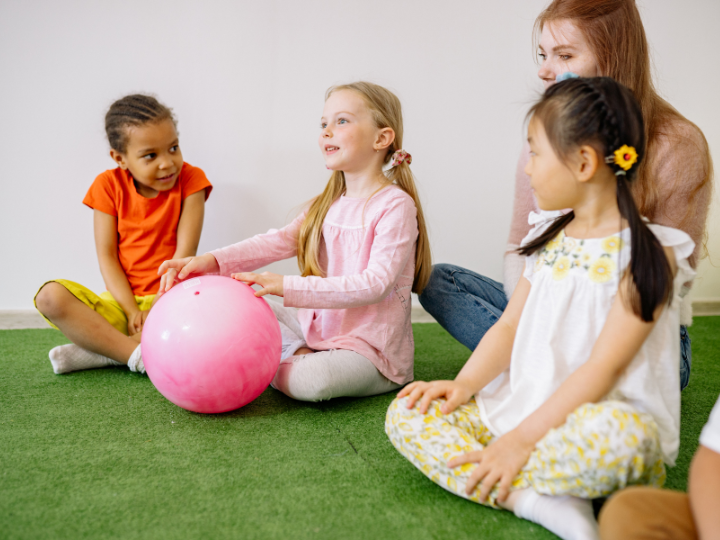
Starting school also involves new social experiences. Children need to interact with peers, share resources, take turns, and understand group instructions. Some children may find these social situations overwhelming or confusing.
Occupational therapy for kids supports emotional regulation and social development by teaching coping strategies and encouraging positive interaction skills. Through guided play and structured activities, children learn how to manage emotions, communicate needs, and engage with others in a group setting.
Improving Attention and Classroom Participation
Attention and focus are key skills for learning in a classroom environment. Some children may struggle to stay seated, follow multi-step instructions, or complete tasks without frequent reminders.
Therapy helps improve concentration and task engagement through activities that build listening skills, memory, and self-control. Movement breaks, visual supports, and structured routines can also help children stay focused and participate more effectively in classroom learning.
Summary
Starting school is an important transition that requires a range of physical, emotional, and cognitive skills. With the right preparation, children can enter this stage with confidence and independence. Occupational therapy for kids provides structured support to develop school readiness skills, improve daily routines, and strengthen social and emotional abilities. Early guidance helps children adapt more easily to school life and supports a smoother, more positive learning experience.
FAQs
1. What is school readiness in children?
It includes skills like attention, independence, social interaction, and basic self-care abilities.
2. How does occupational therapy help before school starts?
It builds motor, emotional, and daily living skills needed for classroom success.
3. Can therapy improve attention in class?
Yes, it helps children develop focus and follow instructions more effectively.
4. Are parents involved in preparation for school?
Yes, parents are guided to support routines and skill-building at home.
5. When should school readiness support begin?
Ideally a few months before starting school or when challenges are first noticed.
Comments (0)