Migrants bound for UK ‘tortured and threatened with organ removal’
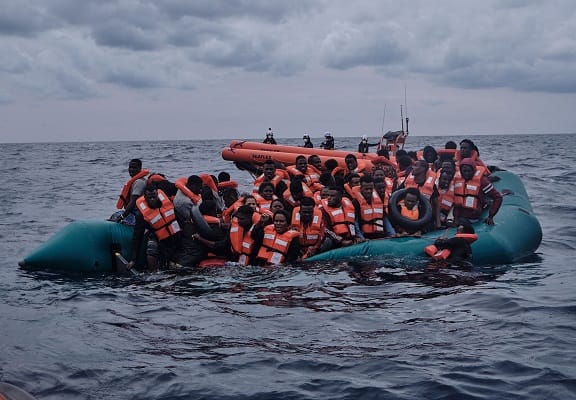
More than 300 migrants attempting to reach the United Kingdom were allegedly subjected to torture and threats of forced organ removal after being kidnapped by a militia group in Libya working alongside people-smuggling networks, according to an investigation.
The victims, largely young men from Iraqi Kurdistan, had paid smugglers to arrange passage to Europe via North Africa and the Mediterranean during the summer of last year. Instead, many found themselves trapped in a violent detention system marked by ransom demands, abuse and extortion.
According to a BBC investigation, the group was seized after arriving in Libya by an armed militia that operates in tandem with smuggling networks. The militia allegedly accused the smugglers of failing to settle debts from previous trafficking operations and began holding migrants hostage until payments were made.
Families were reportedly told to pay up to $5,000 (£3,700) per person for their release.
Those detained were allegedly subjected to severe abuse, with captives threatened with the removal of their kidneys if ransom payments were not transferred. At least one death has been reported, although the full number of those still being held remains unclear.
One 16-year-old boy described being held for six months without seeing daylight, confined alongside 178 others in a single cramped cell with only one toilet. He said detainees were given just one piece of bread a day unless families paid additional sums.
Distressing images and videos were reportedly sent to relatives, including footage in which one captive is told he will be taken to a doctor for a forced kidney removal.
One father told investigators he paid the ransom demanded for his son, who was later returned to Iraq in January on a repatriation flight organised by the Iraqi government. He also provided a photograph of his son showing what he believes to be a scar consistent with an attempted organ removal.
Dozens of families have come forward with similar accounts, although the BBC said it could not independently verify whether organ harvesting had taken place in the cases described.
Libya remains a key transit point for migrants attempting to reach Europe, despite years of conflict and fragmentation since the overthrow of Muammar Gaddafi in 2011. The country is effectively divided between rival administrations, with armed groups exercising significant control over territory, detention facilities and smuggling routes.
Human rights organisations have long described migrant detention conditions in Libya as “horrific” and “deplorable”, citing widespread abuse, overcrowding and a lack of legal oversight.
Anthony Dunkerley, a United Nations adviser, said the breakdown of state authority has created an environment in which armed groups operate with near impunity, making accountability extremely difficult.
The findings are likely to renew scrutiny of the role Libya plays in Europe’s migration routes, and the extent to which smuggling networks are able to exploit migrants attempting the journey towards the UK and other destinations.
For those caught in the system, the route to Europe has become not a path to safety, but a prolonged ordeal of captivity, violence and fear.