The DISSH Playbook: Why this $150m fashion brand trains every hire in EQ
Published on
May 27, 2026
As the Aussie fashion label signs a new lease on Beverly Hills’ coveted North Beverly Drive, CEO Lucy Henry Hicks shares the insights she has gleaned from leading a 94 per cent female workforce.
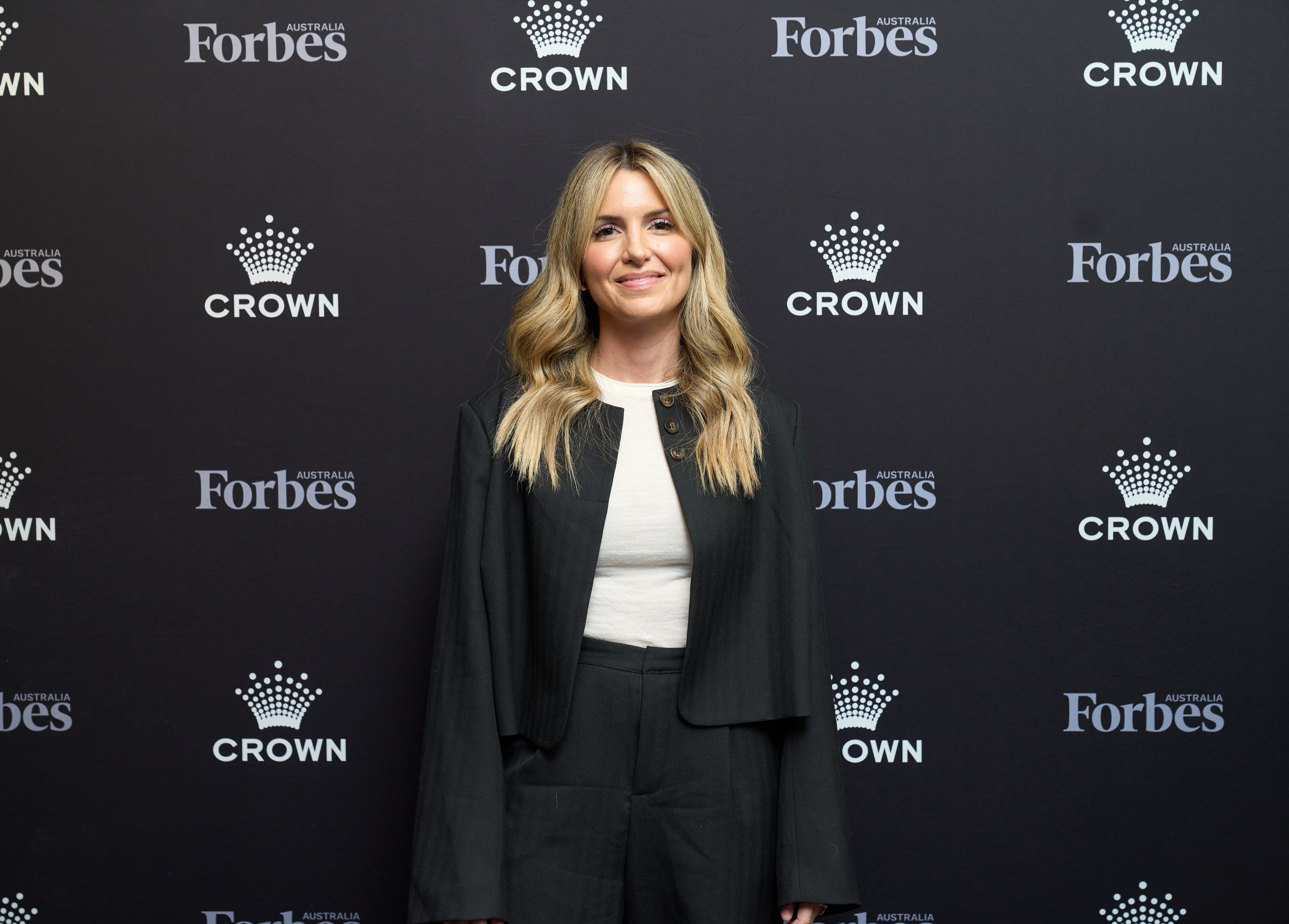
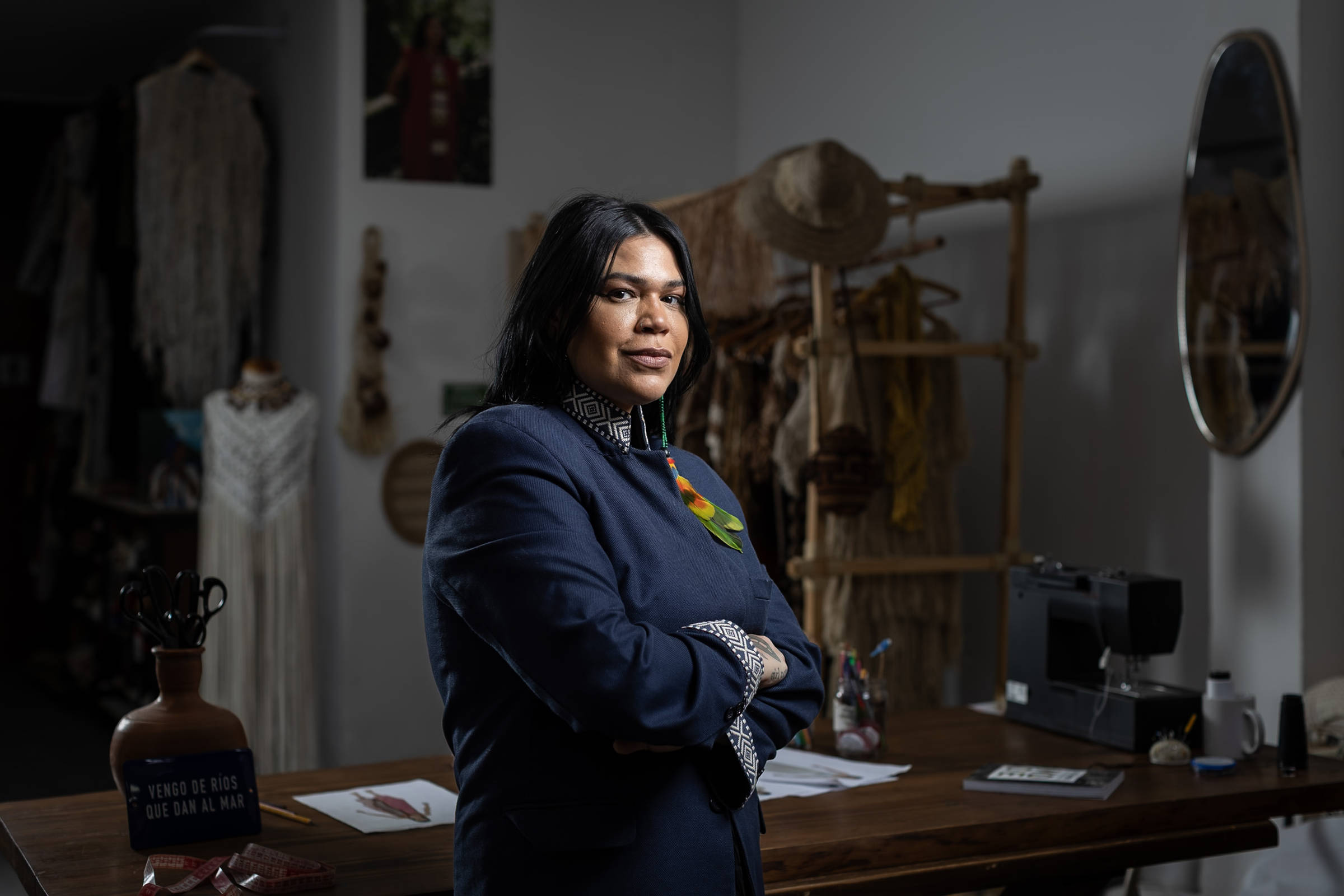
Lucy Henry Hicks grew DISSH from a boutique store in Brisbane to a $150m international brand. Image: Forbes Australia
When discussing the customer profile of Australian fashion label DISSH, CEO Lucy Henry Hicks frequently uses two specific pronouns: she and her.
For the Brisbane-based executive, the DISSH woman is always top of mind, and it reveals itself in conversation.
“She’s the modern woman,” Henry Hicks explains during an interview at the June Forbes Women Soirée held at Cirq at Crown Sydney. “That’s my job as a CEO, to be bringing her into the room and into every single conversation that I have with anyone across the business.”
This contemporary woman – the DISSH customer – is often referred to by Henry Hicks in the third person – as in “she likes this” or “her preference is that.” It is a charming turn of phrase woven effortlessly into discussion, exemplifying how vividly the customer is imprinted on the CEO and the company’s collective mindset.
“In the design room, we talk about her as if she’s in there. It has to always be about the customer.”
Lucy Henry Hicks
“I print one pagers about her and stick her places, like in the lunchroom. Just to remind people of why we’re doing it, you know, why are we here,” says Henry Hicks.
By keeping this singular, busy woman at the forefront of every strategic decision, Henry Hicks has successfully scaled a local Brisbane boutique into a $150 million global e-commerce and retail operation. The company is now accelerating its international presence and has just signed a new lease on North Beverly Drive in Beverly Hills, California, Henry Hicks revealed during the conversation at the Forbes Women Soirée.
Lucy Henry Hicks was interviewed by Shivaune Field at the June 2026 Forbes Women Soiree held at Crown Cirq. Image: Forbes Australia
“For us, the customer demographic is broad, but we don’t really like to think of ages. DISSH clothing is really around ease and versatility. For us, a modern woman is a busy one, so to speak. And I think we’re all busier than we’ve ever been.”
Structuring policy around the working mother
This understanding of a modern woman’s lifestyle directly informs the employee experience at DISSH. The workforce is 94 per cent female, giving Henry Hicks deep insight into approximately 400 women, predominantly in their early years of motherhood or in the 20-to-40-year-old demographic. What they want, Henry Hicks says, is flexibility.
To accommodate, DISSH has engineered progressive policies designed around standard friction points in female career trajectories, including 16 weeks of paid parental leave for working mothers, dedicated leave allocations for IVF and egg freezing procedures, and two weeks of additional carers leave for parents with children aged up to 12.
The carers leave framework specifically targets the logistical discrepancy between standard school schedules and traditional professional office hours. It’s a systemic mismatch that Henry Hicks identifies as a critical focus area for corporate talent retention.
“These decisions around 9 to 5 work, and Monday to Friday in the office, were designed around what suited men. And now we have over 50 per cent of women participating in the workforce.”
Lucy Henry Hicks
“So, you know, obviously something needs to give… we’ve got to keep women connected to their careers, the career that they built and they love,” Henry Hicks says passionately.
Mandating EQ
Another practice the leader has instilled at DISSH is embedding empathy as an operational tool and mandatory skillset. Not only does that show up in visualising the needs of the DISSH woman, but also in how the workforce relates to each other.
Every new hire, regardless of role, tier, or title, is required to complete the four-day Brené Brown Dare to Lead program – a curriculum used by high-stakes organisations like the US Army.
Attendees at the June 2026 Forbes Women Soiree ask questions during the Q&A portion of the interview with DISSH CEO Lucy Henry Hicks. Image: Forbes Australia
Image: Forbes Australia
In Australia, Dare to Lead is used in executive coaching and corporate leadership development, and infrequently in higher education. Utilising Brown’s leadership research as an induction tool in an enterprise is rare, and speaks to the value Henry Hicks places in an EQ skillset.
“Brené said it best herself when she said people lead organisations and emotions lead people. So if we want to run successful organisations, we need our people to understand their emotions. We need them to understand how that influences how they show up, how they lead others, how that influences and layers into their decision making,” says Henry Hicks.
Establishing a baseline of non-defensive, brave leadership built on trust facilitates a common operational language across the company, Henry Hicks says, that results in faster conflict resolution, more efficient innovation cycles, and reduced friction in people management.
And that frees DISSH employees up to focus on the north star of “her” while operating in increasingly complex, technologically advanced environments.
“More and more as we head into this AI world, I ask what makes us human and what makes us different and what is our superpower? You know, in my opinion, it’s our intuition. I use data to paint a picture of the past. I use it to create a narrative around where we’ve been. And then I really use my intuition to make a decision about where to go next.”
Want to see more Forbes articles on your feed? Tap here to make Forbes Australia a preferred source on Google.
Look back on the week that was with hand-picked articles from Australia and around the world. Sign up to the Forbes Australia newsletter here or become a member here.