Iran-US War Agreement: Nine Things Everyone Needs to Know About the Historic Deal
The United States and Iran remain in high-stakes talks mediated by Pakistan, with no comprehensive agreement reached despite months of diplomatic engagement. What began with expectations of a major breakthrough has settled into a fragile, evolving framework aimed at reducing hostilities that escalated in early 2026.Rather than a single historic deal, the situation is defined by a series of unresolved disputes across military, economic, and nuclear tracks.Iran Pushes for Lebanon Ceasefire Link; US and Israel RefuseThe core disagreement is over the scope of any ceasefire. Iran and Pakistani mediators have pressed for a comprehensive truce covering the conflict in Lebanon, but the United States and Israel have rejected that linkage. Military operations continue across multiple fronts as a result.Trump Refuses to Unfreeze Iranian Assets Without Preconditions
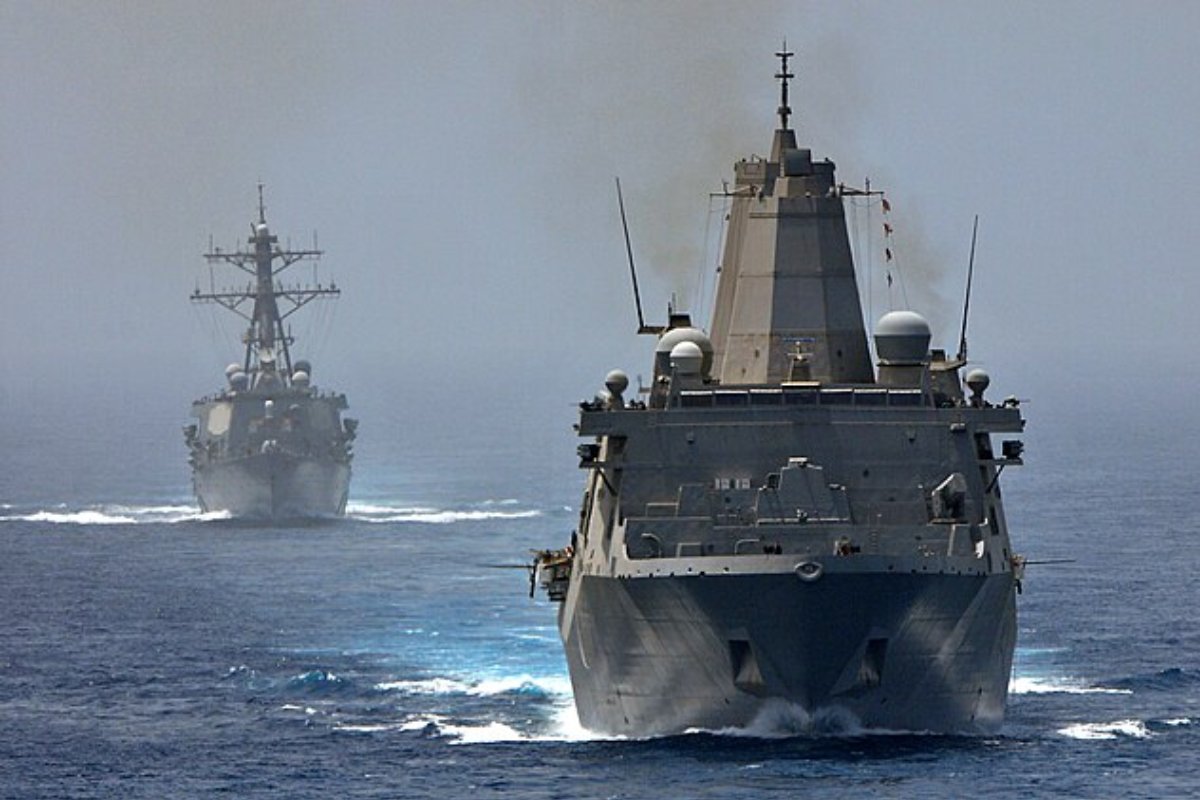
Money remains a significant point of contention. The United States has indicated it may consider conditional sanctions relief, but President Donald Trump is holding firm on his preconditions, including a refusal to unfreeze Iran's blocked assets without prior concessions.US Blockade Remains Until Iran Restores Global Oil FlowThe United States imposed a naval blockade on Iranian ports in April 2026. Lifting it remains a central point in the negotiations. Washington is demanding an immediate and unconditional return to normal global oil flow before any adjustment, while Iran is attempting to use its maritime position to bring an end to the attacks.Iran's Maritime Toll Proposal Clashes With Demand for Free NavigationThe Strait of Hormuz remains the most contested sticking point. While the international community is pressing for full freedom of navigation, Iran has proposed a localised management model involving maritime tolls. The two positions remain unreconciled.Iran Demands Full US Military Withdrawal; Washington DeclinesA core Iranian demand is the complete withdrawal of US forces from all bases in the region. The United States has not agreed to this and has instead focused its position on ending Iran's use of armed proxies rather than reducing the American military footprint.US Demands Immediate Uranium Handover; Iran Offers Moratorium OnlyWashington is pressing Iran to surrender its stockpile of highly enriched uranium and is calling for the dismantling of its main nuclear sites. Iran has resisted these requirements, proposing instead a shorter moratorium on enrichment activities.Two-Month Ceasefire Window Narrowing as Talks StallThe window for diplomatic progress is narrow. The original ceasefire was intended to give technical teams two months to bridge the gaps between the two sides. Persistent disagreements and the ongoing threat of renewed violence have slowed that process considerably.Mutual Distrust Keeps Security Guarantees Off the TableIran is demanding a full US military withdrawal and international security guarantees against future aggression. The United States has not agreed to a drawdown and is focused on ending proxy-led conflicts instead. The divergence reflects a fundamental gap in each side's national security priorities.
Scepticism in Tehran Clouds Path to Permanent TreatyTechnical channels remain open in Islamabad, but the path to a permanent treaty is complicated by long-standing mutual distrust. Al Jazeera reported that hardline factions in Tehran have expressed scepticism about the talks, and regional positions on extending the ceasefire remain divided.The future of these talks really depends on whether both nations are willing to move past their current stalemate. The international community is watching everything with a sense of caution, well aware that while this current framework could be a way to avoid a wider conflict, it is still very much a work in progress. Whether these discussions can evolve into a formal, binding agreement depends on if both sides can manage to balance their own national security needs against the urgent requirement to bring some stability back to the region.